WHAT’S HAPPENING IN THE USA
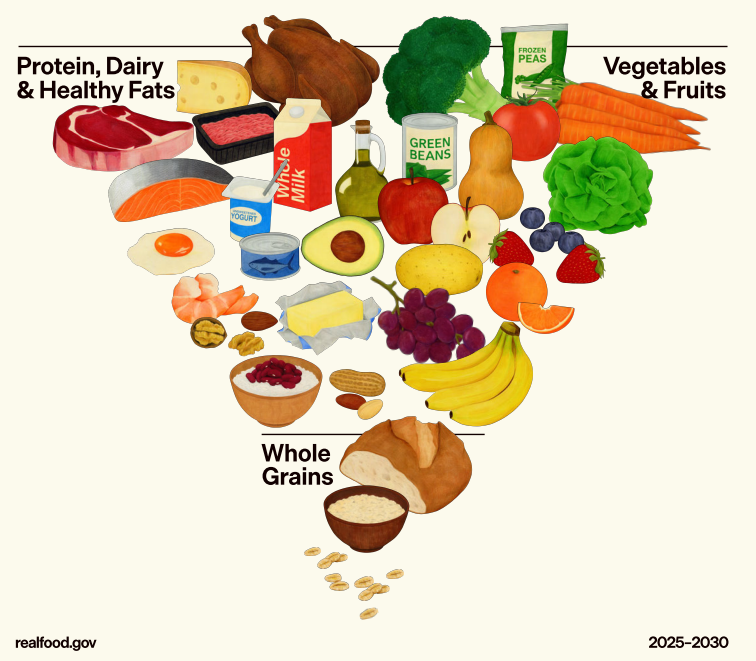
The “Make America Healthy Again” (MAHA) approach to cooking fats prioritizes whole, unprocessed options like olive oil, avocado oil, and traditional animal fats (tallow, butter) while advocating for the elimination of highly processed, chemical-extracted seed oils and reducing Ultra-Processed Foods (UPFs). The focus is on nutrient density and avoiding industrially refined products.
Recommended Healthy Cooking Fats & Oils
- Extra Virgin Olive Oil (EVOO): Anchors the strategy due to its mechanical extraction, high antioxidant content, and heart health benefits.
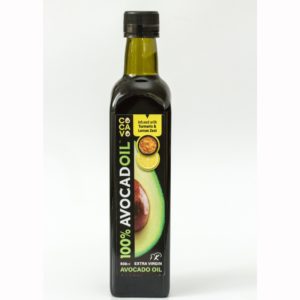
- Avocado Oil: A healthy, cold-pressed option.
- Beef Tallow: Promoted as a “traditional” healthy fat for cooking and frying.
- Butter & Ghee: Considered acceptable whole-food fats.
- Coconut Oil: Another natural option.
Fats & Oils to Limit or Avoid
- Highly Processed Seed Oils: Including soybean oil, corn oil, canola oil, and sunflower oil, often described in this strategy as toxic or highly processed.
- Vegetable Shortening/Palm Olein: Industrially processed fats.
- Industrial Trans Fats: Found in processed snacks and fried foods.
Key Principles for a Healthy Kitchen
- Prioritize Whole Food Fats: Choose fats derived from whole foods like avocados, nuts, seeds, and olives.
- Avoid Chemical Extraction: Seed oils are often extracted using chemical solvents and high heat, unlike olive oil, which is mechanically pressed.
- “Make Frying Oil Tallow Again”: Shift from industrial seed oils back to traditional, nutrient-dense animal fats like tallow for high-heat cooking.
- Minimize Processed Vinaigrettes: Use homemade dressings made with quality olive oil.
Disclaimer: While these guidelines are focused on “real food,” nutritional needs vary. The 2025-2030 Dietary Guidelines generally recommend limiting saturated fat intake to 10% of daily calories.
Get your copy of the USDA Dietary Guidelines HERE