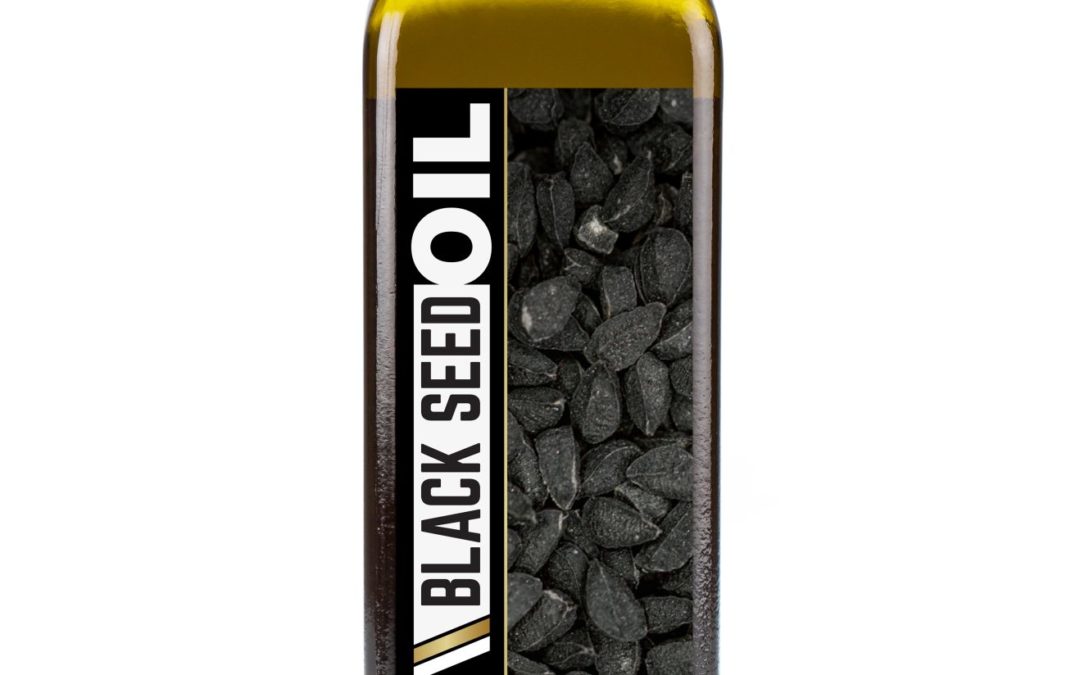
AMAZING FOODGRADE BLACK CUMIN SEED OIL with 2.4% Thymoquinone content
Reportedly used by Cleopatra as a beauty treatment and by Hippocrates for digestive health, black cumin seeds have been used in both food and medicine for millennia. They are mentioned in biblical texts and have even been found in tombs of the ancient Pharaohs.
Research has shown therapeutic activity for Thymoquinone, a compound present in the oil of the seeds, including antioxidant, antispasmodic and even some immunoactive properties.
The oil itself is rich in beneficial fatty acids including Linoleic (Omega 6) and Oleic (monounsaturated) acids.
What it’s good for:
- Immune-boosting: Helps to stimulate the production of disease-fighting interferon and antibody-producing B cells
- Cell protection: Antioxidants scavenge and protect the body from free radicals which can damage cells
- Connective tissue health: Omega 6 and 9 help to maintain the integrity of blood vessel walls and capillaries
- Cardiovascular health: Phytosterols support healthy cholesterol levels, reduce blood pressure and the risk of thrombus formation
- Treating infection: Effective against ‘superbugs’ and other bacteria – even those resistant to certain antibiotics
How to use Black Cumin Seed Oil:
- As a Nutritional supplement: The oil of black cumin seed is the most highly concentrated and easily assimilated form for consumption, containing 2.4% Thymoquinone, research has shown therapeutic activity for Thymoquinone, a compound present in the oil of the seeds, including antioxidant, antispasmodic and even some immunoactive properties.
The oil itself is rich in beneficial fatty acids including Linoleic (Omega 6) and Oleic (monounsaturated) acids.. - Taking 5ml twice per day is recommended for therapeutic benefits, or 5ml once a day for maintenance.
- Culinary: Use raw over food or as a dressing. Not for cooking or frying.
- Skincare: Can be added to skin creams or used topically to treat burns or irritated skin.
The Compound That Makes Black Seed Oil Special
What Is Thymoquinone?
Thymoquinone is a naturally occurring compound in black seeds. In high-quality cold-pressed Black Seed Oil, it typically makes up 0.5-3% of the total oil content.
That might sound small, but it’s a potent compound.
It’s what gives Black Seed Oil that distinctive peppery, slightly bitter flavor.
Think of it as the “active ingredient” researchers focus on when studying Black Seed Oil.
The rest of the oil consists primarily of beneficial fatty acids (oleic, linoleic, palmitic) along with vitamins, minerals, and other bioactive compounds.
What Research Has Found
Here’s what published studies have observed in controlled conditions.
An 8-week study with 55 people with high blood pressure gave participants 5mL of Black Seed Oil daily. Researchers observed statistically significant decreases in blood pressure, fasting glucose, total cholesterol, and LDL cholesterol.
A 60-day study on topical application found 78% reduction in acne lesions among people who applied Black Seed Oil to affected areas.
Research on breathing and respiratory function showed that 500mg of Black Seed Oil twice daily improved asthma control test scores over 4 weeks.
Important: These are research findings. Not medical advice. Individual results vary.
These statements have not been evaluated by Health Canada. This product is not intended to diagnose, treat, cure, or prevent any disease.
The research exists, and it’s substantial.
But here’s what most people don’t realize.
The quality of the oil you purchase determines whether it actually contains meaningful amounts of thymoquinone.
And that’s where most Black Seed Oil on the market falls short.
- Rich Amber to Brown: Most high-quality, cold-pressed oils fall into this spectrum, bearing a strong, distinctive herbaceous and slightly peppery aroma.
- Very Dark / Unfiltered: Unfiltered black seed oils are often much darker, almost opaque brown. They may have a small amount of seed sediment at the bottom of the bottle. [1, 2, 3]