Saturated Fat
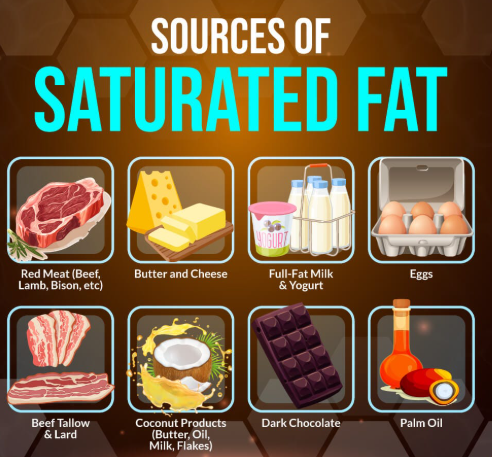
A saturated fat is a type of dietary fat whose carbon atoms are completely “saturated” with hydrogen atoms meaning they contain only single bonds between carbon atoms and remain solid or semi-solid at room temperature. [
1,
2]
Common Sources of Saturated fats are:
- Animal products: Beef, lamb, pork, poultry skin, lard, tallow, and high-fat dairy like butter, cheese, whole milk, and ice cream. [1, 2]
- Tropical plant oils: Coconut oil, palm oil, and palm kernel oil. [1]
Saturated fats can & should be part of a healthy, balanced diet. While the human body does not strictly require saturated fat from food to function, foods that contain it often provide vital nutrients that are essential to your health. [
1]
How Saturated Fats Contribute to Health:
When you consume high-quality, whole foods that naturally contain small amounts of saturated fat, you are also getting:
-
- Essential Nutrients: Whole-food sources like lean beef, eggs, and dairy products deliver high-quality protein, calcium, iron, zinc, and crucial B vitamins (like B12). [1]
- Vitamin Absorption: Dietary fat is required for your body to absorb fat-soluble vitamins, specifically vitamins A, D, E, and K. [1]
- Cooking Stability: Saturated fats are chemically stable and less prone to “oxidation” (heat damage) during cooking compared to certain highly processed vegetable oils.
The Context of the Whole Food
Recent nutritional science emphasizes that the health impact of saturated fat depends heavily on the
food matrix—the structure of the food it comes from: [
1]
-
- Neutral or Beneficial Sources: Saturated fats found in minimally processed, nutrient-dense foods like full-fat dairy (yogurt, cheese), eggs, unprocessed meats & of course plant oils like coconut oil appear to have a neutral or even protective effect on heart health when eaten in moderation. [1, 2]
- Harmful Sources: Saturated fats packaged in highly processed foods—such as pastries, biscuits, sausages, and deep-fried fast foods combined with refined carbohydrates and sodium—are strongly linked to elevated LDL cholesterol and cardiovascular risks. [1, 2]
Expert Advice for Balancing Your Intake
To include saturated fats in a healthy routine without overdoing it, aim for the following strategies:
- Focus on Whole Foods: Prioritize your saturated fat intake from nutrient-rich sources like eggs, real butter, plain Greek yogurt & Coconut Oil rather than ultra-processed snacks or fast food.
- Prioritize Unsaturated Fats: Treat saturated fat as a secondary fat source. Make the foundation of your diet unsaturated “good” fats, such as olive oil, avocados, nuts, seeds, and oily fish (like salmon or sardines).
- Mind the Guidelines:
Major health authorities recommend keeping your saturated fat intake under 10% of your total daily calories (about 20–22 grams for a standard 2,000-calorie diet). If you have underlying cardiovascular risks or high cholesterol, organizations like the American Heart Association advise tightening that limit to 5% to 6% of daily calories (around 13 grams). [1, 2, 3, 4, 5, 6]
The main message however is, do not fear saturated fat!