DEEP FRYING vs AIR FRYING
Deep frying is generally considered better than air frying if your primary goal is achieving authentic, restaurant-quality, crispy texture & rich indulgent flavour.
Submerging food in hot oil locks in moisture while instantly sealing the exterior, creating a classic, even crunch that circulating hot air struggles to perfectly replicate.
The Distinct Edge of Deep Frying
While air frying is essentially a mini convection oven that mimics frying by moving hot air, a traditional deep fryer offers distinct culinary advantages:
- Superior Texture and Crunch: Deep frying instantly cooks the outer layer of the food, giving you that quintessential, even crunch without the dry spots that sometimes happen with air-fried food. [1]
- Classic Flavor Profile: The oil itself acts as a primary cooking and flavoring agent. Foods cooked in oil develop deep, rich flavors that are difficult to replicate with just hot air.
- Moisture Retention: The quick submersion in oil creates an immediate, protective seal around the food, locking in moisture and ensuring a juicier end product—particularly for meats.
- True Fried Coating: A deep fryer is the only way to cook wet-battered foods properly. A wet batter in an air fryer will simply drip through the basket or make a mess before it ever cooks.
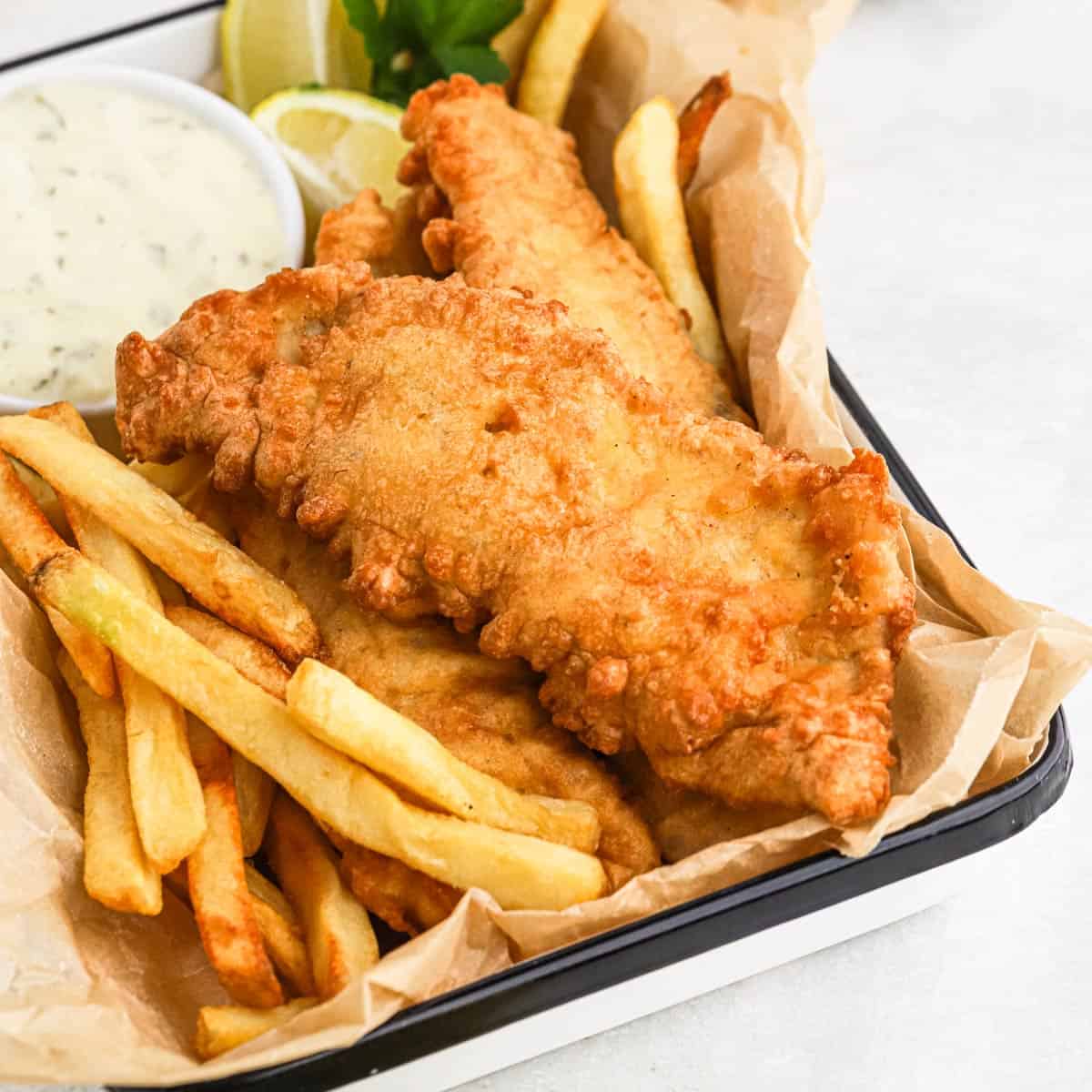
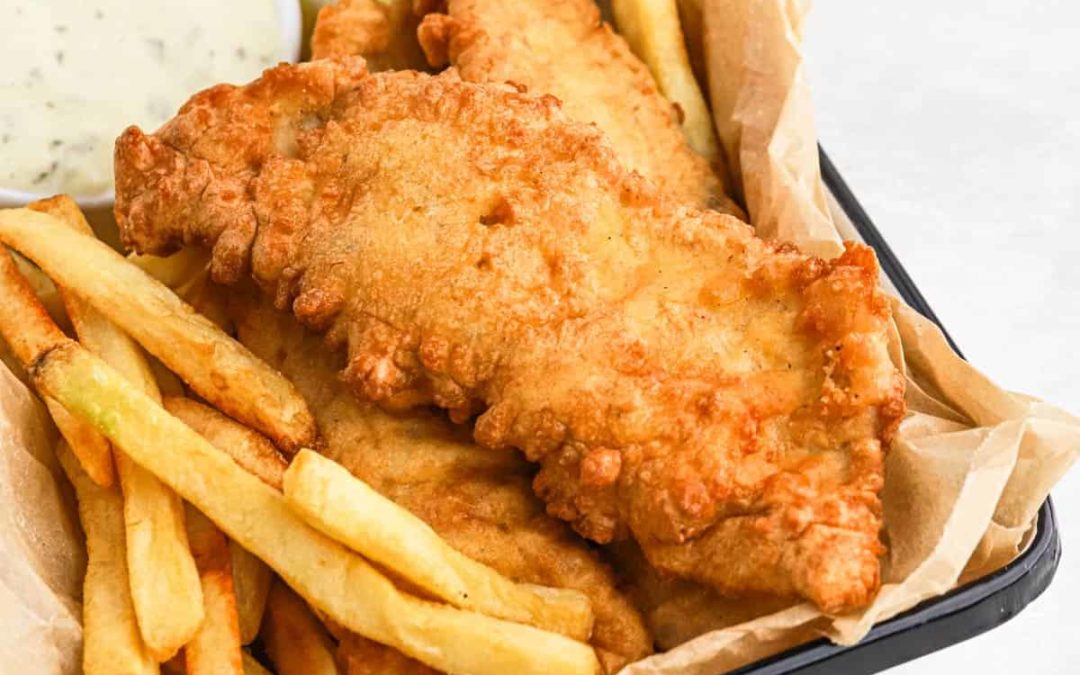
Why Deep Frying is Superior for Battered Fish
-
- Instant Set: Submerging wet batter in hot oil immediately cooks and sets the exterior, encasing the fish in a protective, crunchy shell that seals in natural juices. [1, 2, 3, 4, 5]
- True Fried Texture: A classic pub-style beer batter or tempura relies on the rapid expansion of hot oil to puff up the crust, something a convection air fryer cannot achieve. [1]
- Moisture Control: The quick cooking time prevents the delicate white fish from drying out, yielding a tender, flaky interior and a crunchy exterior. [1, 2, 3, 4]
Air Frying vs. Deep Frying Comparison
| Feature | Deep Frying | Air Frying |
|---|---|---|
| Wet Batter Capability | Excellent (instantly crisps and sets) | Not Possible (drips through the basket) |
| Texture & Crunch | High (classic, even crunch) | Low (can only cook pre-breaded/dry coated foods) |
| Oil Content | Medium (absorbs oil) | Low (uses little to no oil) |
| Moisture Retention | Excellent (seals juices in) | Fair (can dry out quickly) |
How to Get the Best Results
If you decide to deep fry, keeping your oil temperature between 175°C and 190°C is the key to preventing a greasy exterior.
‘For a visual demonstration of the differences in texture and batter adherence, you can watch this Cooking Method Comparison for a closer look at how hot oil protects and crisps delicate seafood. [1]