Fear of Dietary Fats?
Fearing dietary fats is a common sentiment roted in decades of historical health guidelines that are now being re-evaluated by modern science.
For nearly 30 years, an “all fat is bad” message dominated, leading many to replace fats with refined carbohydrates and sugars, which inadvertently contributed to rising rates of obesity and type 2 diabetes.
Why We Began Fearing Fats
The “fat phobia” that began in the mid-20th century was driven by several key factors:
- The Diet-Heart Hypothesis: Introduced in the 1950s by researcher Ancel Keys, this theory suggested a direct link between dietary fat, high cholesterol, and heart disease.
- Early Public Policy: By 1977, official US Dietary Guidelines recommended strictly limiting all fats.
- Caloric Density: Because fat has 9 calories per gram (compared to 4 for carbs or protein), it was assumed to be the primary driver of weight gain.
- Industry Influence: In the 1960s and 70s, the sugar industry funded research that downplayed the risks of sugar while pointing the finger at fat as the main culprit for heart disease.
Essential Roles of Healthy Fats
Current research emphasizes that fat is an essential macronutrient necessary for survival and optimal health.
- Brain Function: The human brain is approximately 60% fat, and dietary fats are critical for its development and maintenance.
- Vitamin Absorption: Vitamins A, D, E, and K are fat-soluble, meaning your body cannot absorb them without adequate fat intake.
- Hormone Production: Fats are the fundamental building blocks for essential hormones, including oestrogen and testosterone.
- Satiety: Fat slows digestion, helping you feel full longer and preventing overeating later.
Distinguishing Between Fats
While the fear of all fat is outdated, the type of fat you consume still matters significantly for heart health.
| Fat Type | Status | Common Sources | Impact on Health |
|---|---|---|---|
| Unsaturated | “The Friends” | Olive oil, avocados, nuts, seeds, fatty fish (salmon) | Lowers “bad” LDL cholesterol and reduces heart disease risk. |
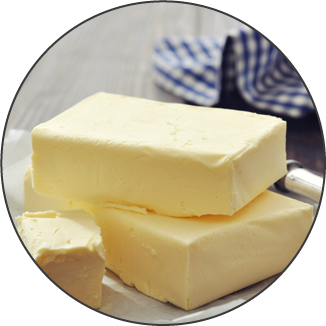
| Saturated | “The Neutral” | Red meat, butter, cheese, coconut oil | Traditionally vilified, but recent evidence suggests its effect is more complex depending on the food source. |
| Trans Fats | “The Foes” | Partially hydrogenated oils, some fried and packaged snacks | Highly harmful; raises “bad” LDL while lowering “good” HDL cholesterol. |
Many modern experts now recommend focusing on overall dietary patterns rather than strictly counting fat grams, encouraging whole foods like those found in the Mediterranean Diet.