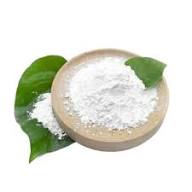
MSM – Growing in popularity as a health supplement for good reason.
Methylsulfonylmethane (MSM) is a natural organosulfur compound found in small amounts in various plants, animals & humans, and widely available as an oral or topical dietary supplement. [1, 2, 3, 4, 5]
Key Uses and Potential Benefits
-
- Joint and Cartilage Support: Commonly taken to help manage osteoarthritis symptoms, joint pain, stiffness, and swelling, often paired with glucosamine or chondroitin. [1, 2, 3, 4]
- Anti-Inflammatory and Antioxidant Effects: Helps reduce inflammatory cytokines and supports cellular antioxidant defenses like glutathione. [1, 2]
- Exercise Recovery: Used to help ease post-workout muscle soreness and lower exercise-induced oxidative stress. [1, 2, 3]
- Hair, Skin, and Nails: Provides sulfur needed for collagen and keratin production, which may improve skin elasticity, reduce fine lines, or support hair density. [1, 2, 3, 4]
Dosage and Safety
-
- Typical Doses: Supplement dosages commonly range from 500 mg to 3 grams daily, with the FDA designating MSM as generally recognized as safe (GRAS) up to about 4 grams per day. [1, 2]
- Side Effects: Generally well-tolerated, though mild side effects can include gastrointestinal upset, bloating, diarrhea, or skin irritation. [1, 2]
- Precautions: May interact with blood thinners or NSAIDs, and safety during pregnancy or nursing has not been firmly established. [1, 2]
You can review broader supplement options via Health 2000 NZ or check detailed safety profiles on WebMD. [1, 2]
The rapid rise in the popularity of Methylsulfonylmethane (MSM) as a mainstream health supplement is heavily backed by strong market data and an expanding base of clinical research.
The primary factors driving this surge in popularity span shifts in consumer demand, modern formulation strategies, and scientific validation:
1. Shift Toward Clean-Label and Vegan Wellness
The supplement industry has experienced a massive shift toward natural, plant-based, and “clean-label” options. Because MSM is an organic, highly bioavailable source of sulfur (the body’s fourth most abundant mineral), it perfectly fits the demands of consumers seeking pure, bio-friendly compounds over synthetic or complex pharmaceutical alternatives. [1, 2, 3, 4]
2. The Multi-Benefit “Synergy” Trend
Originally known almost exclusively for joint health, manufacturers now blend MSM with other trending compounds to target multiple health concerns simultaneously: [1]
-
- Joint & Mobility: It is frequently combined with glucosamine and chondroitin for advanced preventive care for the aging population.
- Nutricosmetics (Beauty from Within): A major catalyst for its uptake among younger demographics is its integration into hair, skin, and nail formulas. It is regularly paired with collagen, hyaluronic acid, and Vitamin C to support keratin production and reduce skin inflammation. [1, 2, 3, 4]
3. Sports Nutrition and Active Lifestyles
The massive growth of the fitness culture has pushed MSM into the sports nutrition mainstream. It is no longer just for managing chronic joint pain; it is widely integrated into post-workout powders and active-recovery drinks. Athletes and fitness enthusiasts use it to lower exercise-induced oxidative stress, minimize muscle soreness (DOMS), and accelerate total recovery time. [1, 2, 3, 4]
4. Robust Validation of Scientific Benefits
Consumer trust has risen as more clinical studies validate its broad biological activity. Recent clinical literature highlights its efficacy across several distinct areas: [1]
- Systemic Anti-Inflammation: Double-blind, placebo-controlled trials have demonstrated that MSM directly blocks pro-inflammatory cytokine pathways, helping to manage both localized joint pain and general bodily inflammation. [1, 2]
- Antioxidant Support: It acts as a safety buffer for the body by significantly boosting cellular glutathione levels (the master antioxidant), helping the body fight cellular aging. [1, 2]
- Safety Profile: Its rise is also fueled by its high tolerability. The FDA designates it with a Generally Recognized As Safe (GRAS) status for standard daily intake, giving consumers peace of mind. [1]