WHY CHOOSE ORGANIC CERTIFIED SPICES?
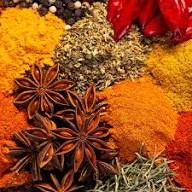
Choosing organic certified spices ensures they are grown without synthetic pesticides, chemical fertilisers, or GMOs, providing a purer product for your health and the environment. Certification also guarantees that the spices have not been treated with irradiation or chemical fumigants often used in conventional processing to kill bacteria.
Purity and Health Safety
Organic certification acts as a safeguard against many chemical treatments common in mass-produced spices.
- Pesticide-Free: Certified organic spices are grown without toxic synthetic pesticides. This is particularly important for dried products, as the dehydration process can concentrate any chemical residues present on the fresh plant.
- No Harmful Sterilisation: While conventional spices may be sterilised using radiation or ethylene oxide (a carcinogenic gas), organic standards only allow natural methods like steam sterilisation.
- Clean Ingredients: Organic spices are prohibited from containing artificial preservatives, synthetic colours, or anti-caking agents like silicon dioxide.
Enhanced Quality and Nutrition
Organic farming focuses on soil health, which many experts believe leads to a superior final product.
- Richer Flavor: Because they are grown in nutrient-dense soil without chemical interference, organic spices often retain higher levels of natural essential oils, leading to a more potent aroma and authentic taste.
- Higher Antioxidants: Research published in the International Journal of Nutrition and Food Sciences indicates that organic spices can contain significantly higher concentrations of antioxidants and polyphenols compared to conventional varieties.
- Nutrient Density: Some studies have found organic spices to be more nutrient-dense, with higher levels of iron, magnesium, and vitamin C.
Environmental and Social Impact
Choosing organic supports farming systems designed to be sustainable for the long term.
- Eco-Friendly Farming: Organic practices promote biodiversity, conserve water, and reduce soil erosion by avoiding synthetic fertilisers that can degrade soil quality over time.
- Worker Safety: Organic farms provide a safer environment for workers by eliminating their occupational exposure to hazardous agricultural chemicals.
- Climate Action: Healthy organic soil acts as a carbon sink, sequestering more carbon from the atmosphere than conventional farming, which helps mitigate climate chan
Verification and Traceability
Organic labels (such as USDA Organic, EU Organic, or New Zealand’s BioGro) provide a legal guarantee of authentic
- Strict Auditing: Certified producers must undergo annual in-person audits by independent bodies to ensure they meet rigorous international standards.
- Transparency: These standards ensure full traceability from the farm to the jar, so you can be confident about the origin of what you are consumin
Note on Heavy Metals: While organic certification restricts synthetic chemicals, it does not always guarantee lower levels of heavy metals (like lead or arsenic), which can be naturally present in the soil. Some independent tests have found concerning levels of heavy metals in both organic and conventional versions of certain spices, like oregano and thyme.